
Red Stag Hunting in Texas at BarBell Ranch
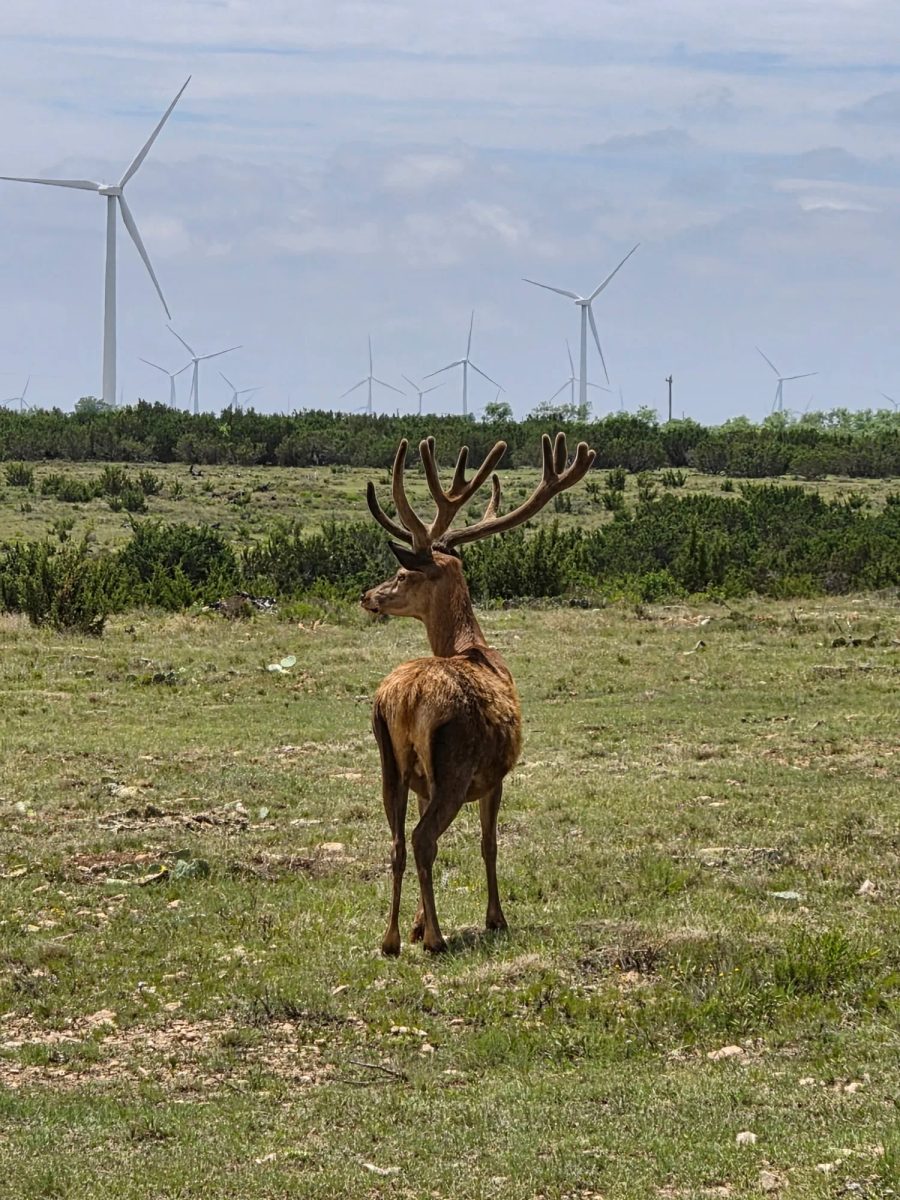
Few animals make an impression quite like a mature red stag. Its heavy body, sweeping antlers, and deep, resonant roar create a presence that hunters remember long after the hunt concludes. For generations, the pursuit of these magnificent deer has been tied to the mountains and sporting traditions of Europe. Today, exceptional red stag hunting in Texas offers sportsmen the chance to pursue this iconic species without traveling overseas, right here in the accommodating landscape of West Texas.
At BarBell Ranch, we provide fully guided red stag hunts near Sweetwater, Texas, where the varied terrain creates an ideal environment for a memorable trophy pursuit. Our hunters may find themselves glassing open country, moving through thickets of mesquite and juniper, executing a careful stalk on a specific trophy, or hunting from a strategically placed blind when conditions favor that approach. The West Texas setting provides a distinctive and challenging backdrop for this classic hunt.
The ranch’s location is also a significant convenience for hunters across the state. Sweetwater is situated a brief 40- to 45-minute drive west of Abilene, approximately two and a half hours from Fort Worth, and about three hours from most points in the Dallas-Fort Worth Metroplex. This accessibility makes a BarBell Ranch hunt a practical choice for those seeking a world-class exotic hunting experience near major hubs like DFW, Fort Worth, Abilene, Midland, or San Angelo.
We offer comprehensive packages that include expert guide services, first-class lodging and meals, and meticulous care for your trophy after the hunt. To learn more about our available stags, current pricing, and scheduling your bespoke Texas red stag hunt, we invite you to contact the ranch directly.
What Is a Red Stag?
A red stag is a mature male red deer, known to science as Cervus elaphus. The female of the species is called a hind, and a young animal is a calf. Red deer are among the largest members of the deer family, second only to the moose. They are also close relatives of the North American elk, and the two species share many physical and behavioral traits.
The physical size of a red deer varies considerably based on its subspecies, age, genetics, and the quality of nutrition available. Mature stags are significantly larger and heavier than hinds, with some trophy-class males on managed Texas ranches weighing between 350 and 500 pounds, and sometimes more. This size, combined with the impressive antlers they grow, has cemented their status as a premier global game animal.
The species’ common name is derived from the reddish-brown coat they typically wear during the summer months. As winter approaches, this coat is shed for a thicker, darker, and more insulated gray-brown pelage. Mature stags often develop a shaggy, dark mane around their neck and shoulders, which further enhances their powerful and commanding appearance, especially during the autumn rut. The University of Michigan's Animal Diversity Web provides a comprehensive overview of the species' biology and characteristics.
Why Red Stag Antlers Are So Distinctive
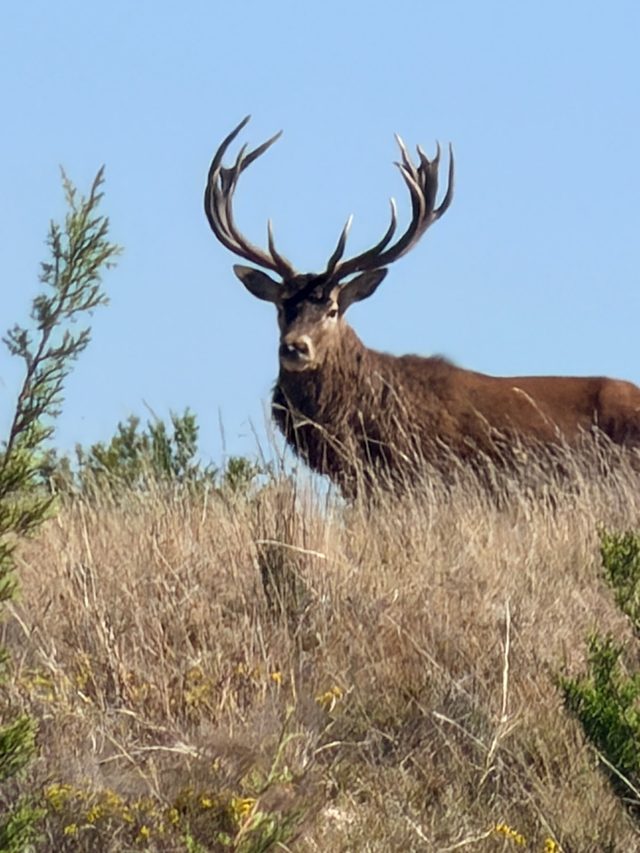
The antlers of a mature red stag are its most defining feature. They can rise high above the head before sweeping back and outward, culminating in multiple points. The most sought-after trophy stags develop a cluster of points near the top of each main beam, a feature often called a "crown" or "cup." A mature stag with six or more points on each antler is sometimes referred to as a "royal" stag.
Antler development is a complex and biologically expensive process influenced by a combination of factors. Age is paramount, as stags typically grow larger and more complex antlers as they reach full maturity between seven and eleven years old. Genetics play a crucial role in determining the potential size and conformation of the rack, while nutrition and overall health dictate whether the stag can realize that genetic potential.
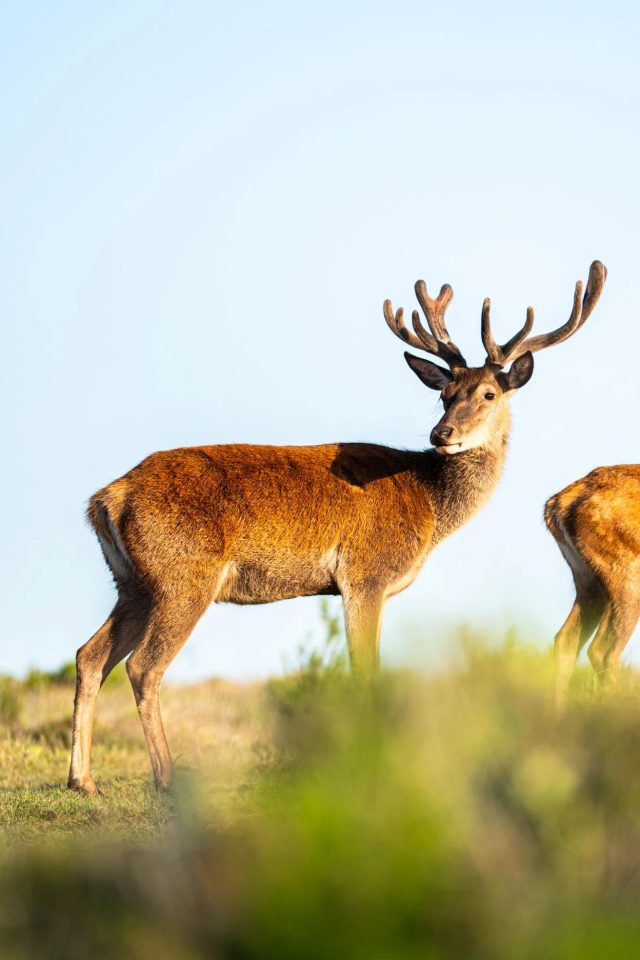
Like other members of the deer family, red stags grow and shed their antlers annually. The process begins in the spring as new bone, covered in a soft, blood-rich tissue called velvet, sprouts from the pedicles. As the antlers reach their full size in late summer, the blood supply is cut off. The velvet dries, cracks, and is rubbed away on trees and brush, revealing the hardened, polished bone underneath. These antlers are carried through the autumn breeding season and are typically shed in late winter or early spring, beginning the cycle anew.
Where Did Red Stag Originally Come From?
Red deer are a widespread species native to vast areas of Europe and portions of western Asia. Their historical range is extensive, encompassing the British Isles, most of continental Europe from the Iberian Peninsula to Scandinavia, the Caucasus Mountains, Anatolia, and parts of Iran and Central Asia.
Across this immense native range, the species adapted to a wide array of habitats. Red deer thrive in open woodlands, montane forests, scrublands, grasslands, and mixed landscapes that offer a balance of foraging opportunities and dense protective cover.
This remarkable adaptability helped the red deer become one of the most widely recognized and pursued large game animals on the planet. Its popularity led to introductions well outside its native territory. Today, significant populations of introduced red deer exist in countries like New Zealand, Australia, Argentina, and here in the United States, primarily on private ranches, as documented in the CABI Compendium on Cervus elaphus (red deer).
Red Stag in European Hunting History
The tradition of red stag hunting is deeply woven into the fabric of European culture. For centuries, the species has been valued by royalty, nobility, and rural communities alike for its meat, hides, and the cultural significance of the hunt itself. The stag became a powerful symbol found in heraldry, folklore, and art.
Images of stags feature prominently in ancient rock carvings, coats of arms, and centuries of sporting literature. The animal’s size, impressive antlers, and resounding roar made it a living emblem of strength, the wild, and high status. In the Scottish Highlands and across much of Europe, stalking a mature red stag remains one of the most iconic and traditional forms of big-game hunting.
This long history also saw the rise of managed hunting estates, where landowners actively protected habitat, managed herd demographics, and practiced selective harvesting. These traditions helped establish the foundations of the modern guided hunt, where wildlife management and hunter satisfaction are pursued in equal measure. Historical research documented by Forestry and Land Scotland reveals that red deer have been a subject of human art and culture for thousands of years, with ancient carvings depicting behaviors still observed during the annual rut.
The Rise of Red Stag Hunting in Texas

Red stag are not native to the Lone Star State; they are classified as an exotic, or non-native, animal. Their presence here is the result of a long history of private landowners raising and managing non-native wildlife. The practice of exotic ranching began to grow in the mid-20th century as Texas ranchers sought to diversify their operations. Over several decades, this has made the state a premier global destination for hunting a wide variety of exotic species.
The state’s vast tracts of private land, a long growing season, diverse habitat, and a deeply rooted hunting culture create an ideal environment for managed exotic game populations. On high-fenced ranches like BarBell, animals can receive consistent access to water, supplemental nutrition, and expert veterinary care. This allows for precise herd management, including selective breeding programs that cultivate superior genetics for antler growth and body size. This managed approach to red stag hunting in Texas gives hunters the opportunity to pursue animals that often exceed the trophy quality of their wild-ranging cousins, all without the complexities of international travel. A Texas A&M AgriLife publication on non-native deer noted that as early as 1996, Texas was home to over 100,000 non-native deer in hoofstock operations, underscoring how established the state's exotic wildlife industry had already become.
The Advantages of a Texas Red Stag Hunt
Pursuing a red stag in Texas offers a compelling combination of adventure and practicality. Hunters can experience the thrill of chasing a world-famous game animal without the logistical hurdles of international flights, firearm import regulations, trophy shipping delays, and the extended time off required for an overseas expedition.
A Texas hunt is also far easier to integrate into a busy work or family schedule. Hunters from Dallas, Fort Worth, Abilene, Midland, Odessa, and other Texas cities can often drive to the ranch, hunt for a few days, and return home in less time than it would take to fly to Europe or New Zealand.
Year-Round Red Stag Hunts on Private Texas Ranches
The Texas Parks and Wildlife Department (TPWD) classifies red deer as an exotic species. On private property, this means they are generally not subject to state-mandated closed seasons or bag limits that apply to native game. Hunters must still possess a valid Texas hunting license and have the landowner's permission to hunt. All hunters should consult the current Texas Outdoor Annual for license requirements before their trip, as regulations are subject to change.
While a Texas red stag hunt may be legally available year-round, the experience changes profoundly with the seasons. Key factors to consider include:
- Antler Condition: Stags are in hard antler from late summer through winter. The velvet stage occurs in spring and early summer.
- Coat Condition: Their coats are typically at their richest red-brown in summer and thickest gray-brown in winter.
- Breeding Behavior: The rut, with its dramatic roaring and displays, occurs in the fall.
- Weather: West Texas weather can range from hot in the summer to cold in the winter, affecting both hunter comfort and animal behavior.
The best approach is to speak with the ranch about your specific goals. A hunter seeking the full-throated excitement of the rut will prefer a different season than a hunter whose primary goal is a hard-antlered trophy for a European mount.
What Makes the Red Stag Rut Special?
The red stag breeding season, known as the rut, is one of the most dynamic events in the hunting world. During this period, typically from September through October in Texas, mature stags become highly vocal as they compete for breeding rights with groups of hinds. This is a prime time for red stag hunting in Texas, as the animals are more active and visible.
A stag’s roar is an unforgettable sound—a deep, guttural bellow that is lower and rougher than the high-pitched bugle of a bull elk. Hearing that primal sound carry across the West Texas landscape can instantly transform a quiet morning into a high-stakes encounter.
During the rut, dominant stags will gather harems of hinds, aggressively challenge rival males, and engage in elaborate displays of dominance. They may thrash vegetation with their antlers, dig at the ground, and wallow in muddy pits to coat themselves in scent. These behaviors can escalate into violent clashes when two evenly matched stags refuse to back down. As noted by Scottish forestry experts, who have observed these animals for centuries, stags that spend much of the year in bachelor groups return to the hinds to roar, display, and fight for dominance.
Guided Red Stag Hunts at BarBell Ranch
At BarBell Ranch, we provide a guided West Texas hunting experience tailored to each hunter's individual goals. Our property is home to more than 30 exotic species, including world-class red stag and hinds. You can view our available exotic game hunts here.
Current trophy fees for red stag are listed from $4,850 to $12,500. This fee can vary based on the SCI score, antler configuration, and overall quality of the individual animal. As trophy availability and pricing can change, we ask that all hunters contact the ranch directly for the most current information before booking.
Spot-and-Stalk Red Stag Hunting

For many hunters, the spot-and-stalk method is the ultimate way to pursue a red stag. The hunt typically begins by glassing promising areas from a vehicle or vantage point, searching for a stag that meets the hunter's trophy criteria. Once a suitable animal is located, the guide and hunter will formulate a plan of approach, carefully considering the wind direction, terrain, available cover, and the stag's behavior.
The final stalk requires immense patience and stealth. A trophy stag may be surrounded by the watchful eyes of his hinds, bed down in thick cover, or move unpredictably. The presence of other animals can also alert the target stag long before a shot is possible. High-quality binoculars and a laser rangefinder are essential tools for this style of hunting, allowing the team to assess animals from a distance and confirm the shot. BarBell Ranch’s mix of open vistas and dense cover provides the perfect landscape to glass effectively and then close the distance on foot.
Hunting Red Stag From a Blind

Hunting from a comfortable, strategically-placed blind is also a highly effective method. A blind conceals movement and contains scent, allowing hunters to observe a water source, feeding area, or travel corridor without being detected. This approach is an excellent option for hunters using archery equipment, those with limited physical mobility, or anyone who prefers the stability of a solid rest for the shot.
Success from a blind is never guaranteed. A mature stag remains wary and will use its keen senses to detect danger. Wind direction, noise discipline, and scent control remain critically important. The guide will help choose the hunting method that offers the best probability of success based on current conditions, hunter preference, and the target animal's pattern.
Understanding the Challenge of a Trophy Red Stag Hunt
While red stag are large, powerful animals, their size does not make them an easy quarry. They possess excellent eyesight, acute hearing, and an exceptional sense of smell to detect threats. When in a group, a stag benefits from dozens of extra eyes and ears scanning the surroundings for danger. Success often comes down to moving slowly, staying quiet, and trusting your guide’s experience.
As demonstrated by biological habitat studies, red deer are masters of using mixed environments, moving between open feeding areas and the security of dense cover. This behavior is why careful glassing and a well-planned approach are so vital for red stag hunting in Texas. The wind is a critical factor in a stalk. An otherwise perfect plan will fail instantly if the hunter's scent reaches the herd.
Choosing the Right Rifle for a Texas Red Stag Hunt
Red stag are dense, heavy-boned animals that command respect. Hunters should select a reliable rifle and pair it with a premium hunting bullet designed for deep penetration and controlled expansion on large game.
There is no single "best" caliber. Shot placement and a hunter's proficiency with their chosen firearm are far more important than raw power. Most popular deer and elk cartridges are perfectly suitable for a red stag hunt when loaded with quality ammunition.
- Commonly Recommended Calibers: 6.5 PRC, .270 Winchester, 7mm-08, .280 AI, 7mm Remington Magnum, 7mm PRC, .308 Winchester, .30-06 Springfield, and .300 Winchester Magnum are all excellent choices.
- Bullet Selection: Opt for bonded, partitioned, or monolithic copper bullets that retain weight and drive deep to reach vital organs.
- Practice: Before your hunt, ensure your rifle is properly zeroed with the specific ammunition you plan to use. Practice shooting from field positions you might encounter, such as from shooting sticks or a pack, not just from a bench rest.
We also welcome archers at BarBell Ranch. Bowhunters should be proficient with their equipment out to their maximum ethical range and use a fixed-blade or durable mechanical broadhead designed for large game. Be sure to discuss your firearm, ammunition, or archery setup with our team before your trip so we can help you prepare for the hunt.
What Is Included in a BarBell Ranch Red Stag Hunt?
BarBell Ranch hunts are all-inclusive for lodging and meals. This package provides a complete and comfortable ranch experience, ensuring every detail is handled so you can focus on the pursuit.
- Accommodations and Meals: Relax in our comfortable lodge and enjoy delicious, chef-prepared meals.
- Guide Service: You will be paired with an experienced, professional guide for the duration of your hunt.
- Field Dressing and Trophy Care: After a successful harvest, our team will handle the field dressing, skinning, and initial preparation of your trophy for taxidermy and the meat for your processor. This attention to detail is a cornerstone of our service for red stag hunting in Texas.
The BarBell Ranch experience extends beyond the hunt itself. We foster a relaxed and welcoming atmosphere where guests can enjoy our well-appointed lodge, go fishing, shoot a round of skeet, or share stories around the fire pit in the evening. We recommend discussing your plans for taxidermy and meat processing with us in advance so that we can ensure a seamless process after the harvest. Further details can be found in our guide to your first exotic hunt in Texas or by viewing our red stag hunt packages here.
Red Stag Hunting Near Dallas, Fort Worth, and Abilene
BarBell Ranch is strategically located near Sweetwater in Nolan County, placing it in an exceptionally convenient position for hunters looking for a premier hunt near Dallas, Fort Worth, or Abilene. Interstate 20 provides easy access from across the state.
Hunters traveling from the Fort Worth area can typically reach the ranch in about two and a half hours. The drive from Dallas and the greater DFW Metroplex is usually around three hours, varying slightly with the specific starting point and traffic. For hunters based in Abilene, the ranch is only a 40- to 45-minute drive west.
This prime location means many Texas hunters can leave home in the morning and be at the ranch, ready to hunt, that same afternoon. Our on-site lodging eliminates the need for daily travel, allowing you to settle in, prepare your gear, and stay focused on the experience.
When Is the Best Time to Book a Texas Red Stag Hunt?
The "best" time for your hunt depends entirely on what you want from the experience. Before booking, consider what your ideal red stag hunt looks like by browsing photos from different seasons in our gallery and asking yourself these questions:
- Do you want to experience the roar and aggression of the fall rut?
- Is your top priority the largest possible antlers, the best-tasting meat, or the overall adventure?
- Do you prefer the active challenge of a spot-and-stalk hunt or the patient observation from a blind?
- Will you be hunting with a rifle or a bow?
- Are you interested in a combination hunt for other species like aoudad, axis deer, or blackbuck?
- Will you be joined by a spouse, child, or non-hunting guest?
- Do you have any mobility limitations we should be aware of?
BarBell Ranch specializes in creating custom packages tailored to our guests. An initial phone call allows our team to understand your vision and recommend the ideal dates, animals, and hunt structure to make it a reality.
Booking Your Trophy Red Stag Hunt
A trophy red stag embodies a unique combination of natural history, raw power, and timeless sporting tradition. While this iconic animal is tied to centuries of European heritage, Texas hunters now have the opportunity to pursue magnificent specimens within a few hours' drive. The experience of red stag hunting in Texas at BarBell Ranch is a complete and memorable adventure, where you receive dedicated guide service, access to first-class lodging and meals, and expert care for your trophy.
The hunt itself will be tailored to the conditions and your preferences, whether that involves glassing wide-open country for a distant monarch, executing a quiet stalk through mesquite and juniper, or waiting patiently for the right animal to present a shot. Our trophy red stag hunts are currently listed from $4,850 to $12,500, with all-inclusive lodging available. Because animal availability and trophy fees are subject to change, we encourage you to contact us for the most current information.
To discuss your trophy red stag hunt and check available dates, please call or text BarBell Ranch at (903) 386-5857.
Red Hind Hunts

BarBell Ranch also offers red hind hunts for hunters seeking a different red deer experience. Red hinds provide an excellent opportunity for a meat-focused hunt, a first exotic hunt, or an additional animal during a larger Texas hunting trip. Contact BarBell Ranch to check current red hind availability, pricing, and package options.
Book this hunt
Sources
- Animaldiversity. (n.d.). species' biology and characteristics. Retrieved July 16, 2026, from https://animaldiversity.org/accounts/Cervus_elaphus/
- Cabidigitallibrary. (n.d.). CABI Compendium on Cervus elaphus (red deer). Retrieved July 16, 2026, from https://www.cabidigitallibrary.org/doi/full/10.1079/cabicompendium.89943
- Gov. (n.d.). Historical research documented by Forestry and Land Scotland. Retrieved July 16, 2026, from https://forestryandland.gov.scot/media/blmhgkwe/a-song-in-stone-forestry-and-land-scotland-2021-second-edition-2.pdf
- Texas A&M AgriLife Extension. (n.d.). Texas A&M AgriLife publication on non-native deer. Retrieved July 16, 2026, from https://legacy.research.agrilife.org/wp-content/uploads/sites/2/2022/03/article781.pdf
- Texas Parks & Wildlife. (n.d.). Texas Parks and Wildlife Department (TPWD). Retrieved July 16, 2026, from https://tpwd.texas.gov/education/hunter-education/online-course/wildlife-conservation/exotic-species
- Texas Parks & Wildlife. (n.d.). Texas Outdoor Annual for license requirements. Retrieved July 16, 2026, from https://tpwd.texas.gov/regulations/outdoor-annual/licenses/hunting-licenses-and-permits/hunting-licenses
This article was drafted with the assistance of AI and reviewed by the BarBell Ranch team.